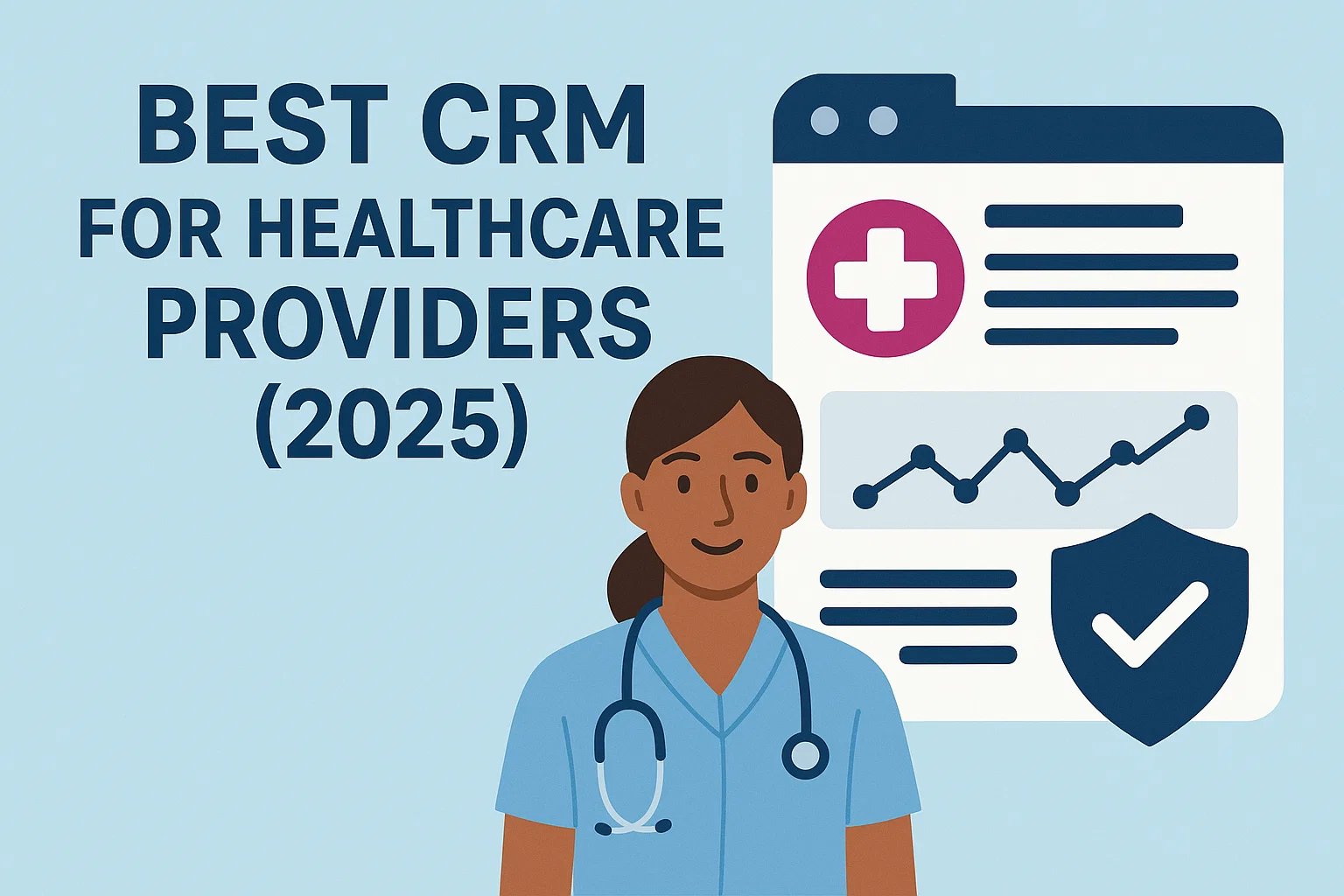
Healthcare is undergoing a massive digital transformation, and one of the biggest shifts is the adoption of HIPAA-compliant healthcare CRMs. From patient engagement to clinical data management, hospitals, private practices, and healthcare startups across Tier 1 countries like the United States, United Kingdom, Canada, and Germany are leveraging healthcare CRM software to maximize efficiency, improve patient satisfaction, and ensure regulatory compliance.
Why Healthcare Providers Need a CRM in 2026
Unlike traditional CRMs used in sales and marketing, medical CRM software is tailored for healthcare workflows. These platforms provide:
- HIPAA Compliance: Ensures patient data privacy and meets U.S. federal regulations.
- Patient Engagement: Personalized communication via email, SMS, and patient portals.
- Data Integration: Syncs seamlessly with EMR and EHR systems.
- Automation: Appointment reminders, follow-ups, and care workflows.
- Analytics: AI-driven insights into patient behavior and treatment outcomes.
Key Features of a HIPAA-Compliant CRM
| Feature | Importance | Benefit for Healthcare Providers |
|---|---|---|
| Data Encryption | High | Protects patient records from breaches |
| EMR/EHR Integration | High | Centralizes patient data securely |
| HIPAA Compliance Tools | Critical | Ensures legal data protection |
| AI-Powered Analytics | Medium | Improves diagnosis and outcomes |
| Patient Portals | High | Boosts engagement and satisfaction |
Top Healthcare CRM Software in 2026
- Salesforce Health Cloud: Advanced integrations, HIPAA compliance, and AI insights.
- Zoho CRM for Healthcare: Affordable and customizable for clinics.
- Microsoft Dynamics 365 Healthcare: Predictive analytics with EMR/EHR integration.
- HubSpot Healthcare CRM: Strong engagement automation and secure workflows.
- Zendesk for Healthcare: Patient support and care coordination features.
AI and Automation in Healthcare CRM
- Predictive analytics to identify high-risk patients early.
- Chatbots for scheduling, reminders, and FAQs.
- Automated outreach for wellness and preventive care.
- Resource optimization for staff efficiency and cost reduction.
Cost of Implementing a Healthcare CRM
| Type of Provider | Estimated Monthly Cost | Best Options |
|---|---|---|
| Small Clinic | $50 – $200 | Zoho CRM, HubSpot CRM |
| Mid-Sized Practice | $200 – $600 | Microsoft Dynamics 365, Zendesk |
| Large Hospital Network | $600+ | Salesforce Health Cloud |
HIPAA Compliance: A Non-Negotiable Factor
Healthcare providers in the United States must comply with HIPAA regulations. Using a non-compliant CRM can result in heavy fines, breaches, and loss of patient trust. Always verify:
- Encryption for data at rest and in transit
- Audit logs and role-based access control
- Business Associate Agreements (BAA)
- Regular security certifications and updates
Future Trends in Healthcare CRM (2026 & Beyond)
- Integration with telemedicine and remote monitoring.
- Wearable device data syncing into CRM systems.
- Blockchain for enhanced healthcare data security.
- AI-driven personalized treatment recommendations.
Conclusion
The best CRM for healthcare providers in 2026 balances HIPAA compliance, strong data security, and patient engagement capabilities. Platforms like Salesforce Health Cloud, Microsoft Dynamics 365, and Zoho CRM help providers streamline workflows, build trust, and achieve higher ROI.
In Tier 1 countries—where healthcare spending is among the highest globally—investing in the right CRM is a strategic decision that delivers both compliance and long-term profitability.